

Allergy becomes, perhaps, one of the most widespread diseases. And everybody is subject to it, including men and women, engaged in physical and brain work; elderly men, adult people in the prime of life and chest babies, living in both megacities and small villages. Really, allergy can be named the disease of the 21st century.
Depending on allergens, several types of allergy are distinguished. Aeroallergens are mostly spread and are contained in the air in the form of fine dust or gases. Food products cause an alimentary allergy and skin allergens provoke allergic reactions, contacting directly the skin. Drug allergy can develop while taking medical products in various ways. There is also an allergy, initiated with bites of insects, wool and a smell of pets, dust mites and many, many others.
To apply a hypoallergic diet, it is necessary in all kinds of allergy. But, certainly, it is most effective if you have a food allergy. In this case a dietic food carries out two functions at once - diagnostic and remedial: excluding from a diet those or other products, it is possible to reveal the reason of allergy. A person, suffering from allergy, needs to integrate, first of all, the so-called nonspecific hypoallergic diet.
To the highly allergenic products, we can refer:
- many sorts of fishes, caviar - black and red, seafood;
- cow milk, whole-milk products, cheeses;
- chicken eggs (and of other birds);
- smoked (especially uncooked smoked) and half-smoked products: meat, fish, sausages;
- cured and tinned products: stew, canned fish food, pickles etc.;
- some vegetables: red pepper, pumpkin, tomatoes, beetroots, carrots, sauerkraut, sorrel;
- many fruits and berries, first of all, of red and orange color: red apples, strawberries, raspberries, wild strawberries, sea-buckthorn berries, blackberries, a bilberries, grapes, cherries, plums,
- melons, pineapples;
- fruit and soda water, flavored yoghurts, chewing gums;
- many dried fruits: raisins, dried apricots, figs, dates.
Antiallergic medicines
Page Contents
Antiallergic medicines are important tools in the treatment of allergic diseases. They work by blocking the action of histamine, which is released during an allergic reaction. This reduces inflammation and helps to relieve symptoms such as sneezing, itching, and watery eyes.
There are a number of different antiallergic medications available, each with its own set of benefits and drawbacks. The most common type is called a “histamine blocker,” which includes drugs like cetirizine (Zyrtec)

Zyrtec

Allegra
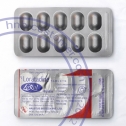
Claritin Best seller
These medications are effective at relieving symptoms but can sometimes cause drowsiness or other side effects.
Another class of antiallergic drugs is known as “mast cell stabilizers.” These include medications like sodium cromoglycate (Intal) and nedocromil sodium (Tilade). Mast cell stabilizers work by preventing mast cells from releasing histamine into the bloodstream. They tend to be less effective than histamine blockers at relieving symptoms, but they have fewer side effects.


